Understanding The New Net Billing Policy for Solar Users in Nigeria
NERC’s New Net Billing Policy: What It Means for Solar Users and Businesses in Nigeria
For years, many Nigerians have invested in solar energy to reduce dependence on the grid, lower electricity costs, and improve energy reliability.
But what if your solar system could do more than power your home or business?
What if you could generate excess electricity and get compensated for it?
That is the idea behind NERC’s new Net Billing Regulations 2026.
What is Net Billing?
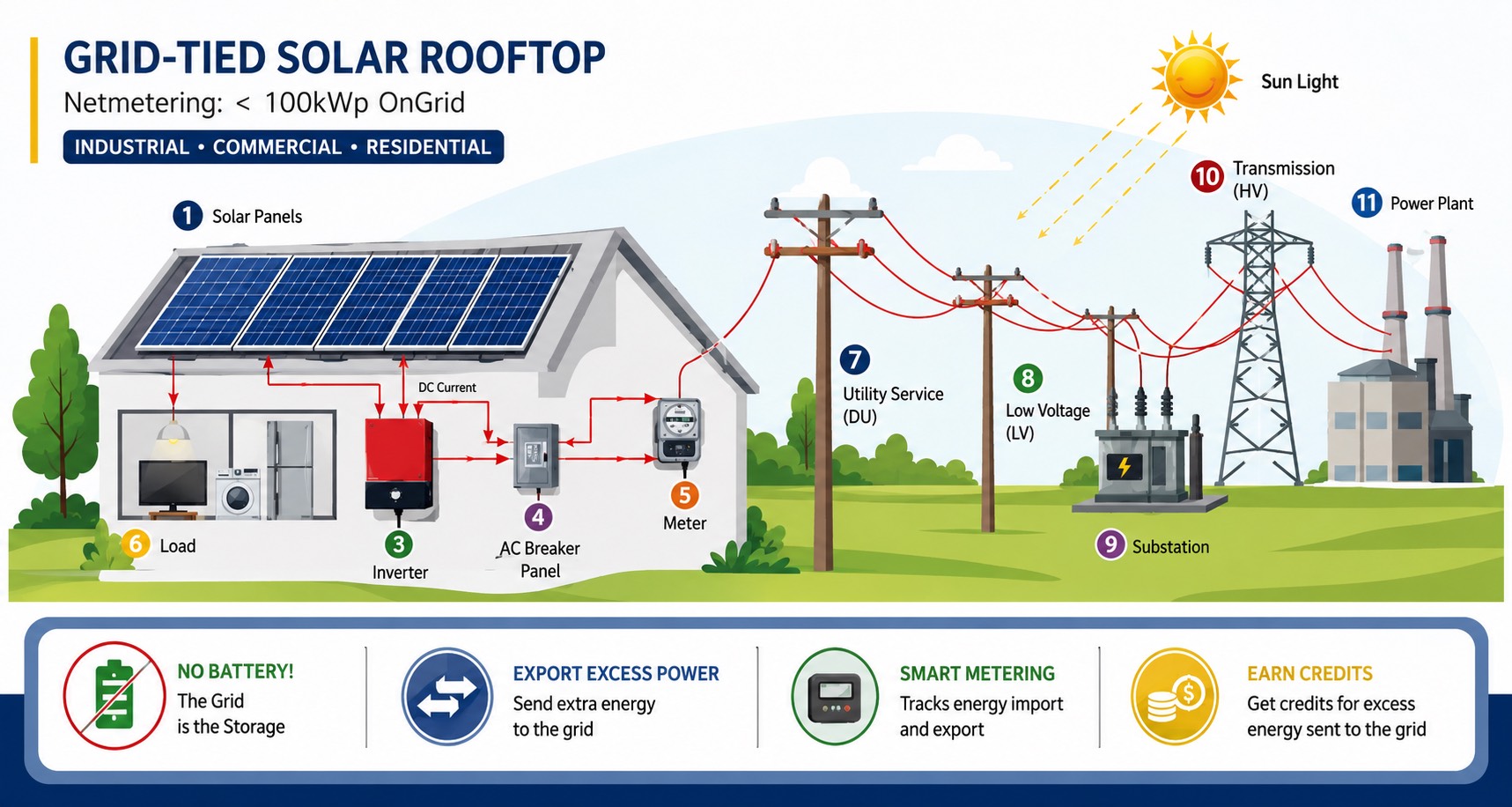
Net Billing is a system that allows eligible electricity consumers who generate their own renewable energy—primarily through solar power systems—to export excess electricity back to the distribution network and receive credits or payments for the energy supplied.
In simple terms, instead of wasting unused solar energy, you can send it back to the grid and earn value from it.
Think of it this way:
Imagine your business generates more solar power than it needs during the day.
Rather than letting that extra electricity go unused, the power is sent back into the electricity network where it can be used by others. In return, your electricity account is credited based on approved tariffs.
This is why many people refer to participants as “prosumers”—because they are both producers and consumers of electricity.
A Practical Example
Let’s say a manufacturing company installs a 500kW solar system.
On a typical weekend, production activities are lower, meaning the factory uses less electricity than usual.
However, the solar system continues generating power from sunlight.
Under the new Net Billing framework, the excess electricity can be exported to the grid instead of being wasted.
The company benefits in two ways:
- Reduced electricity costs from using its own solar energy.
- Additional value from excess power supplied back to the network.
This creates a more efficient and financially attractive renewable energy investment.
Why is This Important?
Nigeria has long struggled with electricity supply challenges.
As businesses increasingly adopt solar energy solutions, there is growing interest in finding ways to maximize the value of these investments.
The Net Billing framework offers several benefits:
Better Return on Investment
Businesses can potentially recover their solar investment faster by earning credits for excess energy exported to the grid.
Improved Energy Security
The policy encourages more distributed power generation, reducing pressure on centralized power infrastructure.
Increased Renewable Energy Adoption
The ability to earn value from surplus energy may encourage more organizations to invest in larger and more efficient solar systems.
Cleaner Energy Future
As more renewable energy systems are deployed, reliance on fossil fuels can reduce, supporting a cleaner and more sustainable energy ecosystem.
Who Can Participate?
According to NERC, the scheme is designed for customers connected to a distribution company’s network who install qualifying renewable energy systems.
The regulations currently cover renewable energy systems with:
- A minimum installed capacity of 50kWp
- A maximum installed capacity of 1.5MWp
This means the policy is primarily targeted at:
- Commercial facilities
- Manufacturing companies
- Hotels
- Schools
- Hospitals
- Large office complexes
- Industrial operations
Smaller residential solar systems may not meet the current capacity requirements.
What Are the Requirements?
Interested participants will need to:
- Be connected to a Distribution Company’s (DisCo) network.
- Apply for a technical feasibility assessment.
- Obtain approval from the relevant DisCo.
- Sign a Net Billing Agreement.
- Register with NERC.
- Install approved bidirectional meters capable of measuring electricity imported from and exported to the grid.
These meters track both the energy consumed from the grid and the excess energy supplied back to it.
What Does This Mean for Businesses?
This policy represents one of the most significant renewable energy developments in Nigeria in recent years.
For commercial and industrial organizations already considering solar energy, the conversation is no longer just about reducing diesel costs or improving power reliability.
The opportunity now extends to maximizing the value generated by solar investments.
Businesses with substantial daytime solar generation may be able to offset energy expenses while contributing additional power to the grid.
The Bigger Picture
NERC’s Net Billing Regulations 2026 signal a shift toward a more decentralized energy future in Nigeria.
Instead of relying solely on centralized power generation, businesses and organizations can become active contributors to the country’s energy ecosystem.
While the implementation details will continue to evolve, one thing is clear: renewable energy is no longer just about consuming power differently. It is increasingly becoming about producing, managing, and optimizing energy more intelligently.
For businesses considering medium- to large-scale solar investments, this development may create new opportunities to improve energy efficiency, strengthen energy independence, and unlock additional value from renewable energy systems.
As the renewable energy landscape continues to evolve, understanding policies like Net Billing will be essential for businesses looking to stay ahead of the curve.
Click here to see full details of the NERC’s Net Billing Regulations 2026
Featured products
-
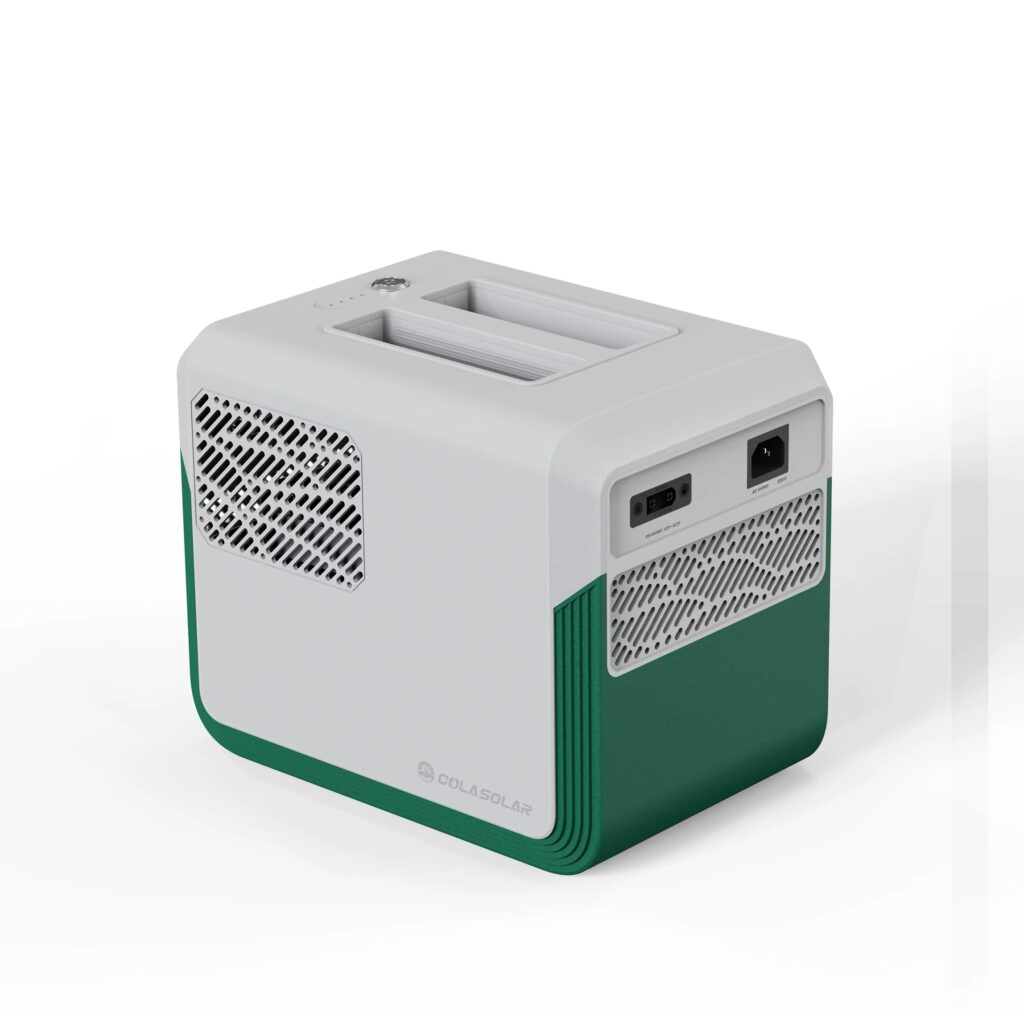
Cola 1000 Pro Solar Generator
Original price was: ₦360,000.00.₦330,000.00Current price is: ₦330,000.00. -
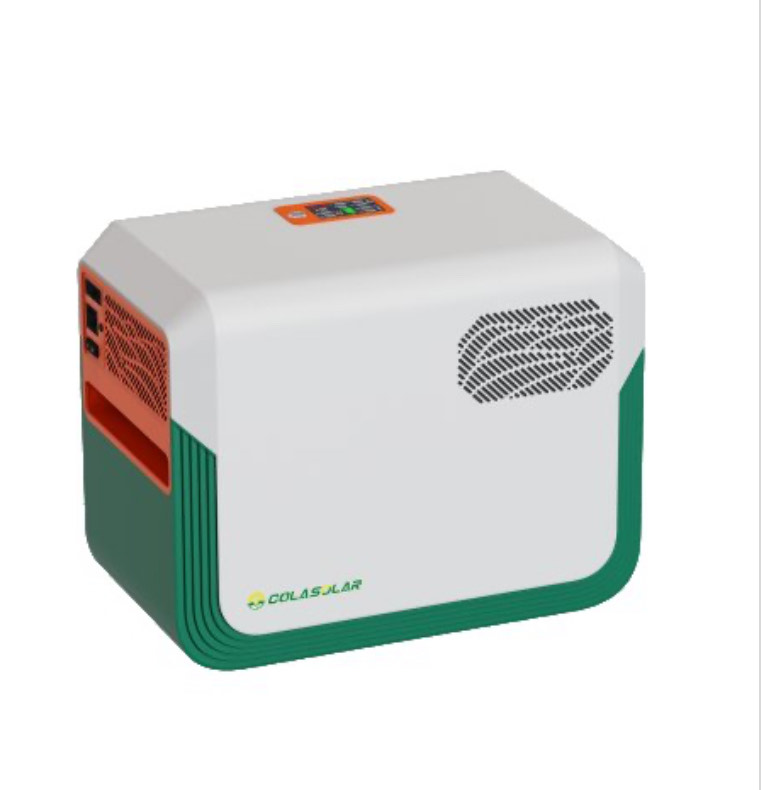
Cola Solar 3600 Solar Generator 1200 AC Output 3600wh Lithium Battery
Original price was: ₦920,000.00.₦890,000.00Current price is: ₦890,000.00. -
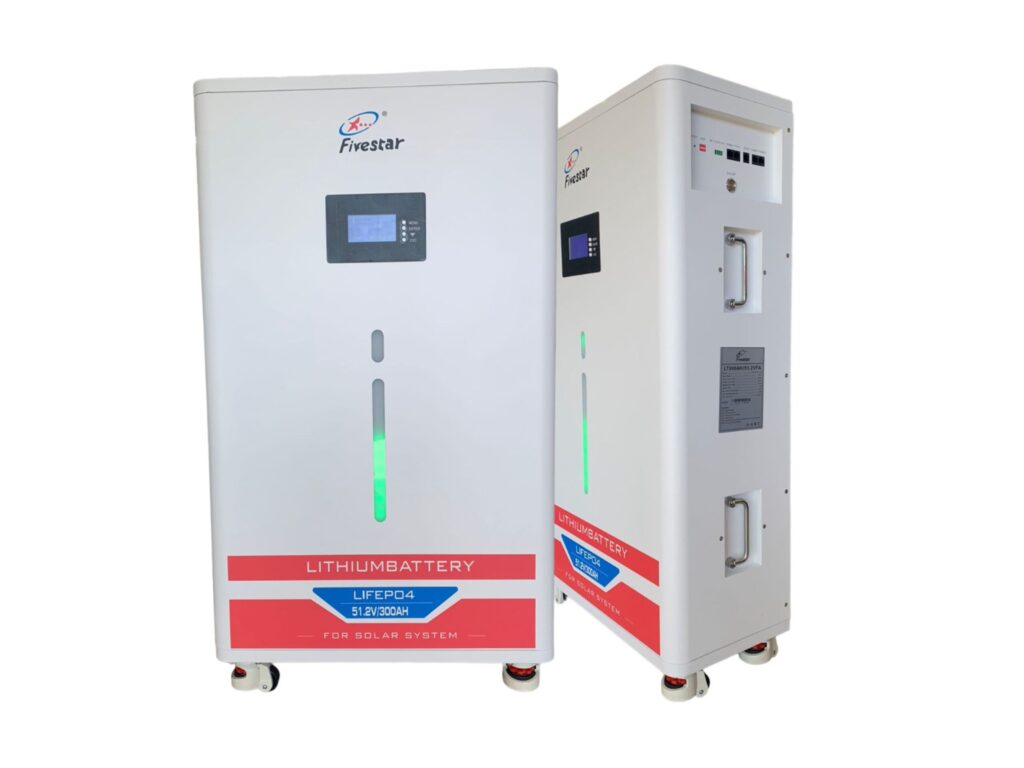
Fivestar 15KWH LiFePo4 Lithium Battery 51.2V
Original price was: ₦2,400,000.00.₦2,100,000.00Current price is: ₦2,100,000.00. -
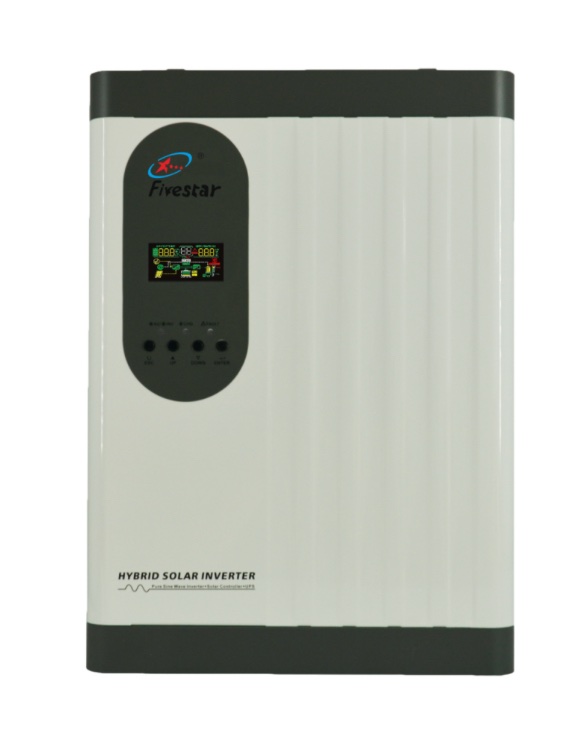
Fivestar 3.5KVA 24V Pure Sine Wave Hybrid Solar Inverter With In-built 60A MPPT Charge Controller (Transformer Based)
Original price was: ₦450,000.00.₦370,000.00Current price is: ₦370,000.00. -
FIVESTAR 5KW/5120WH 51.2V Lithium (LiFePO4) Battery Pack
Original price was: ₦1,350,000.00.₦1,280,000.00Current price is: ₦1,280,000.00.